Potting Soil vs. Garden Soil vs. Raised Bed Soil: Which Should You Use?
Potting soil is designed for containers; raised bed soil is blended for raised gardens, and garden or bed-building soil is intended for specific in-ground or landscape applications. The right choice depends on where you are planting, what you are growing, and whether you need to fill a new growing space or improve existing soil.
A tomato plant growing in a patio pot has different soil needs from one growing in a raised vegetable bed. And creating a new landscape bed is a different project from improving the soil already in your garden.
Understanding those differences makes choosing a bag of soil much easier. Here is how to match the soil to your project.
| Soil Type | Primary Use | What to Know |
|---|---|---|
| Potting Soil | Pots, planters and other containers | Designed to balance moisture retention, drainage and air space around roots |
| Raised Bed Soil | Raised gardens for vegetables, herbs, flowers and fruit | Provides a growing blend for filling raised beds; suitability depends on the bed and plants |
| Garden Soil | In-ground garden applications | Products vary; check whether the soil should be mixed into existing ground or used another way |
| Bed-Building Soil | Creating landscape beds | Intended for establishing new planting areas according to the product’s directions |
Product names are a starting point, but the label matters. Not every bag called “garden soil” has the same formulation or instructions.
What Is Potting Soil Used For?
Potting soil is used for plants growing in containers, including patio planters, hanging baskets, and indoor pots. In these spaces, roots depend on a relatively small amount of growing material for water, nutrients, and air.
A good container mix needs to hold enough moisture for plants while allowing excess water to drain. It also needs space between its particles so roots can receive oxygen. That balance helps explain why the soil outside your back door may not work well in a flowerpot.
Potting soil is suitable for many flowers, herbs, vegetables, and houseplants. Some plants have more specialized needs, so check out the mix intended uses before planting.
Our POT–IT Potting Soil is designed for container gardening. We also offer POT–IT Peat-Free Potting Soil for gardeners who prefer a blend without peat.
Why Is Garden Soil Usually Unsuitable for Pots?
Garden soil can be too dense for containers, limiting drainage and air movement around roots. Even soil that performs well in the ground can create problems in the confined space of a pot.
For most container projects, choose a mix labeled for container use rather than filling pots with soil dug from the yard or a product intended only for in-ground gardens.
What Is Raised Bed Soil Used For?
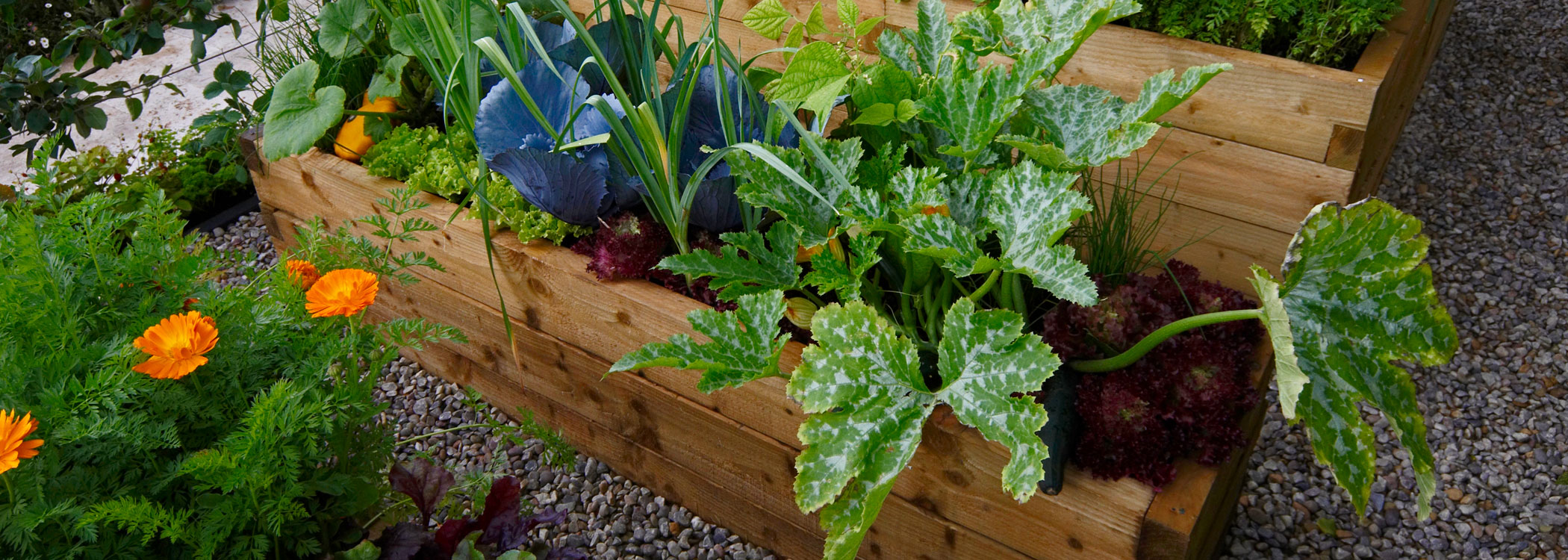
Raised bed soil is used to fill raised growing areas, often for vegetables, herbs, flowers, and fruit. These beds allow gardeners to build a growing space above ground level and have more control over the soil they add.
A prepared raised bed blend can simplify the process, especially when you are starting a new garden. However, it is not the only workable approach. Suitable combinations of soil and compost can also support raised bed gardening. The right choice depends on the existing ground, the bed design, and what you plan to grow.
Our RAISE–IT Raised Bed Soil offers a garden-ready option formulated for raised beds growing herbs, fruits, vegetables and flowers.
What Is the Best Soil for Raised Beds?
The best soil for a raised bed is one suited to the plants and growing conditions—not simply any product with “soil” on the bag.
A purpose-formulated raised bed blend is a convenient starting point. If you are creating your own blend or adding material to an established bed, your local independent garden center can help you determine what is appropriate.
What About Garden Soil and Bed-Building Soil?
“Garden soil” is a broad product description. Some bagged garden soils are intended to be mixed with existing soil, while other planting blends are designed for different applications. Always check the directions rather than assuming every product can be used to fill a bed on its own.
Bed-building soil has a more specific role: establishing new landscape planting areas. Our BUILD–IT Bed Building Soil is intended for creating landscape beds.
The practical question is whether you are building a new bed or improving one that already exists. Those projects may call for different products and preparation.
Can You Use Potting Soil in Raised Beds?
Potting soil can be used in raised beds, but it is not automatically the most practical choice for filling a large bed. Compare the product’s directions, the amount needed and the cost with a raised bed blend or another suitable soil mixture.
A raised bed sitting on the ground also differs from an elevated planter with a bottom. If your “raised bed” functions as a large container, check that the growing mix is suitable for that setup.
What Soil Should You Use for an In-Ground Garden?
For an in-ground garden, start by evaluating the soil already there. You may need to improve it rather than add a completely new growing medium.
Compost, a soil conditioner or another amendment may be appropriate, depending on the soil’s condition and your planting goals. A soil test can help identify pH and nutrient needs, while drainage and texture also deserve attention.
Our CONDITION–IT Soil Conditioner is part of the Dirty Dirt range for improving soil health. Ask your garden center whether a conditioner, bed-building soil or another product fits the work you are doing.
Choosing Soil for Houston and Texas Gardens
For Houston and Texas gardeners, it helps to describe the conditions at your own planting site rather than choosing soil based on location alone.
Does water linger after rain? Does the ground become hard when dry? Are you filling patio containers, starting a raised vegetable bed or preparing a landscape planting area?
Those details give your local garden center a clearer picture of the project. Bring the bed or container dimensions, explain what you want to grow and let the staff know whether you are starting fresh or working with existing soil.
Start With the Project, Then Choose the Soil
At Dirty Dirt, we develop soil products around different gardening applications. POT–IT is designed for containers, RAISE–IT for raised gardens and BUILD–IT for creating landscape beds.
If you are unsure where to begin, ask your local independent garden center. The right guidance can help you choose both the product and the preparation your garden needs.
Explore our soil products and find the blend that fits your next project.
Frequently Asked Questions
Is Potting Soil the Same as Garden Soil?
No. Potting soil is designed for container growth, while garden soil products are intended for various in-ground applications. Check the label because garden soil formulations and directions vary.
Can I Use Garden Soil in Pots?
Garden soil generally is not the best choice for pots because it can be too dense for adequate drainage and air movement. Choose a growing mix labeled for container use.
Can I Use Potting Soil in Raised Beds?
Yes, but check the product’s directions and consider the bed’s design, size and cost to fill. A raised bed blend can be a convenient option for beds on the ground, while elevated planters may need a mix suitable for containers.
What Soil Should I Use for a Vegetable Garden?
It depends on where the vegetables will grow. For pots, choose a container mix suitable for vegetables. For raised beds, use an appropriate raised bed blend or suitable soil-and-compost mixture. For in-ground gardens, evaluate and improve the existing soil based on its condition and your plants’ needs.